
[ Program ]
Engineering, Electronics & Soldering
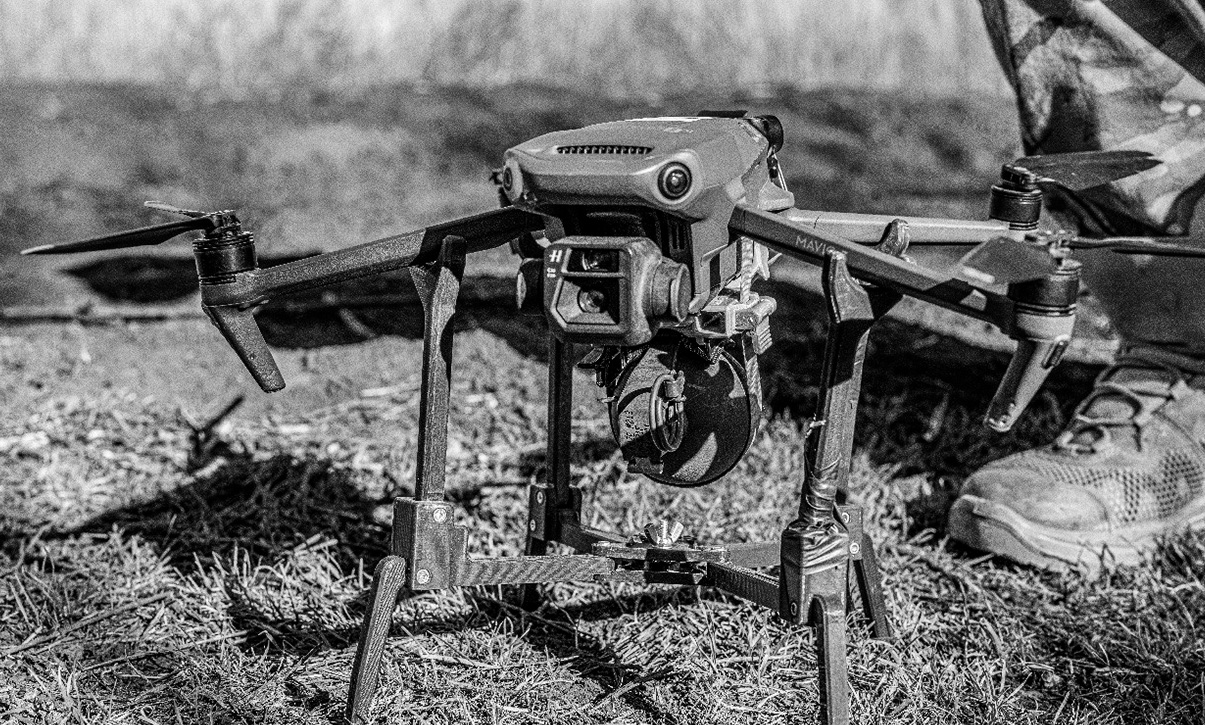
This track provides participants with the core engineering principles required to build, maintain, and upgrade modern military hardware — from drones to field electronics. Students learn how battlefield technology actually works at the component level, enabling smarter decisions in design, deployment, and repair.
Through hands-on training in electronics, circuitry, soldering, and rapid prototyping, participants gain practical technical skills essential for sustaining operations in contested environments. The program emphasizes reliability, improvisation, and combat-ready engineering informed by real Ukrainian frontline experience.
Confidently solder, desolder, and repair electronics under field conditions
Diagnose and fix failures in power systems, radios, and mission-critical modules
Assemble and integrate sensors, microcontrollers, motors, and payload components
Build basic custom modules for drones, robotics, and autonomous systems
[ Our Content ]
Program components
- Electrical engineering fundamentals
- Voltage, current, resistance, and power systems
- Circuit analysis and component identification
- Technical documentation and reading schematics
- Microcontrollers and embedded boards
- Electronic speed controllers (ESCs)
- RF modules, antennas, and communication components
- Power systems: LiPo batteries, BECs, converters
- Sensors: IMUs, GPS/GNSS, optical, thermal, rangefinding
- Basic soldering techniques
- Micro-soldering for PCB repair
- Wire harness creation & connector standards
- Field soldering under austere conditions
- Safe handling of sensitive components
- Using multimeters, oscilloscopes, and testers
- Rapid identification of faulty components
- Failure mode analysis for drones & robotics
- Repair workflows for tactical electronics
- Building small functional circuits
- Creating sensor modules
- Integrating microcontrollers
- Packaging electronics for field robustness
- Ruggedization, shock resistance & thermal considerations
[ Who It’s For ]
Who should join
Drone operators and technicians who want to repair and modify their hardware independently.
Robotics and R&D teams building new military or dual-use systems.
Electronic warfare and signals specialists requiring hardware literacy.
Combat engineers responsible for frontline technology.
Soldering beginners who want to build confident, practical skills fast.
Unit commanders who need to understand technical capabilities and constraints.
Anyone working with drones, sensors, comms equipment, or battlefield tech who must be able to fix or adapt devices in real-world conditions.